
End Of Life
Welding Crow · January 6, 2024 · Action, Adventure, Shooter, Puzzle, Action RPG
End Of Life is free to play — no purchase needed. We track it so you know if that ever changes.
End Of Life price
End Of Life is free to play — there is no purchase price, on Steam or anywhere else we track. We keep watching it, so if it ever stops being free the price history on this page will show when that happened and what it changed to.
About End Of Life
Story
The world is governed by two goddesses. Asdis is the creator, while Disad must balance her sister's creations to prevent chaos. When Asdis creates humans, her greatest creation, Disad decides to divide her power and personify it in the Aarendjin, an extension of herself. The mission of the Aarendjin is to kill those humans who pose a real threat to the planet.
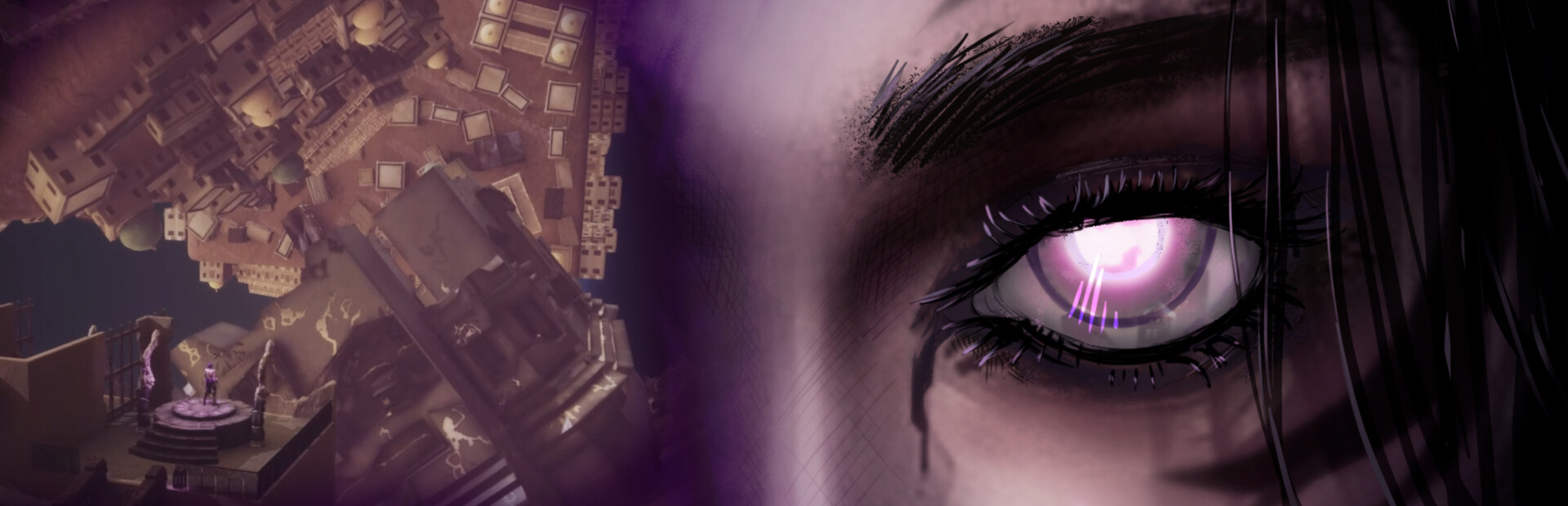
Over time, a city discovered the Aarendjin's weakness and started a war to acquire the magic within them. They killed them all and stole their power cores, except for one, Nashla, whom they imprisoned. This power allowed the city to be in constant motion, rotating on itself, preventing Nashla from escaping.
Years later, a revolt within the city aimed to kill the Aarendjin, providing Nashla with the perfect opportunity to execute her plan: recover her core and seek revenge on humans for killing her sisters.
What is End Of Life?
Changing World: A world based on a Rubik's Cube that the player and enemies can manipulate to create combat situations, new paths, and challenges.
Multiple Gravities: Each area of the world has its gravity, with no safe spots when enemies can shoot from the sky.
Relentless Movement: Everything in this world is in motion—the player, enemies, and the world itself. Constantly changing, the player must strive to find their way through battles and gravities.
Gameplay
End of Life is a third-person action shooter where the player embodies a demigoddess with a broken power seeking revenge and reclaiming stolen power. The player faces decisions that define whether they remain faithful to their original mission or succumb to revenge.
The player must use the demigoddess's remaining powers and the world's resources. Different gravities and world modifications create new paths and allow the player to escape enemies when unable to face them.
During the adventure, the demigoddess will find traces of her fallen sisters, recovering part of their powers. These powers grant her new abilities to progress in the world and new tools to defeat her enemies.
Mechanics
Navigation
Gravity Shift: The game world is fragmented, and each fragment has its gravity on each face. Nashla can observe the world from different perspectives, finding paths that would be invisible otherwise.
World Movement: The fragmented world is constantly moving, and the civilization residing there has created mechanisms to alter the world's movement at will. Nashla will use these to turn her enemies' tools against them.
Grappling Hook: Nashla's main tool is a grappling hook, constantly used to reach otherwise inaccessible places and quickly approach enemies to finish them off before they can react.
Combat
Needles: Needles symbolize Nashla's power, each type providing effects to her projectiles. Each needle she carries once belonged to her fallen sisters.
Bullet Time: Nashla's keen senses allow her to enter a state of total concentration. In this state, the world slows around her, allowing for quick decisions and providing a devastating advantage.
Fury: As a vengeful demigoddess, Nashla becomes enraged at the mortals' challenge. When Nashla accumulates enough anger, she enters a Fury state, launching her projectiles more frequently and forcefully. The needles she launches in this state drain life from her enemies to heal her.
Barriers: Enemies, aware of their weakness, constantly try to corner and wear down Nashla. Using complex magical barrier mechanisms, they will trap the demigoddess in an inescapable battle to weaken and defeat her.
Core Loop
The core of End of Life is primarily divided into three parts: advancing through the level, killing all enemies in the way, and discovering how to use her powers to interact with the world.
This core loop represents a partnership between the player and their avatar, discovering the world and the demigoddess's powers at the same pace, fostering player immersion and empathy.
Throughout the adventure, the player's style will reinforce each of the three core elements, from trying to advance by avoiding unnecessary conflicts to exploring the presented world or simply ending all life like a bloodthirsty beast. The decision of which aspect to reinforce will depend on the player's gameplay style, reflecting in Nashla's adventure their own story.
Visual Style
End of Life features a fusion of realistic environments and stylized characters, providing greater creative freedom while maintaining realistic textures for consistency.
The environment represents a Middle Eastern style with warm, earthy, and luminous colors in squares where life once thrived. The warm tones contrast with Nashla's cool palette, indicating she doesn't belong to this world.
The world is portrayed as a Rubik's Cube mirror, with marked edges and different sizes present throughout the entire scenario. It floats disorderly due to the ongoing war, constantly rotating and repositioning as the protagonist advances in the story. The sense of enormity and frenzy is reflected in all the cubes sustaining the world, and the magnitude in each playable scenario.
Magic is prevalent throughout the game, playing a fundamental role. It's represented with brighter and more vivid colors in the environment, highlighting the game's mechanics.
References
The dynamic and changing world created in Doctor Strange inspired the game's dynamic landscape, covering both land and sky, the constant change through battles, and the extraordinary yet partially common landscapes.
Rollerdrome is a central reference regarding gameplay. The combination of action with constant movement is a point that End Of Life seeks to achieve.
The game's story draws strong influences from Hellblade, where both protagonists embark on a revenge story and face psychological issues distorting their perception of reality and objectives. The world-based puzzles served as inspiration for level design.
End Of Life — game info
- Platforms
- Windows
- Player modes
- Single-player
- PC Game Pass
- Not included
What Steam players say
Recent verbatim reviews from Steam — separate from playze.io community reviews below.
⠀7 found this helpful
Great Game but look at that kitty, whoever pass by can pet it and give it a thumbs up. Have a nice day :3 /> フ | _ _ l /` ミ_xノ / | / ヽ ノ │ | | | / ̄| | | | | ( ̄ヽ__ヽ_)__)2 found this helpful
Turned out it didn't work despite my pc meeting the requirements fairly well. Cool concept but it might actually be playable if I had some graphics settings that worked. Get on that Welding Crow. I would like to play. I would still like to play. Can one of you birds optimize your game so it doesn't lag to 10fps when I look in the wrong direction? Still doesn't work on a GTX Titan XP! Really??1 found this helpful
The premise has some potential, but the clunky controls just absolutely murder all of that. The bullet time seems completely unnecessary, and the projectiles are painfully slow. You aren't supposed to die in the first encounter of a game unless it's Dark Souls, but this game managed to kill me thanks to the poor controls.1 found this helpful
"End Of Life" is one of literally thousands of student projects infesting Steam. It's from U-TAD in the USA. While student projects tend to be better quality than most "amateur" made games, we must still question what value such projects have for gamers. As with all student projects, this isn't really a fully fleshed out game, it's just the result of an academic exercise, and as such it has much more limited value as a game than a professionally developed game would have. Educational institutions should not be using Steam as a dumping ground for homework assignments (especially if the students didn't even pass the course). Sure, it helps their marketing and helps the students feel good about themselves, but this is another case of a business putting themselves before the needs of gamers. This is one of those cases where a student project does nothing but tease and disappoint... this looks like it could have been a real, truly successful video game. It's an unusual third person shooter that relies on Escher-esque environments and levels that shift around as the game progresses, as well as some more ordinary third person shooting backing it up. A really unique concept that to…
Great game, a little bit rough on the edges but with a great atmosphere and fun gameplay. Wished there were more.
Community reviews
0 reviews
Sign in to write a review.
No reviews yet. Be the first to review this game.
More like End Of Life


News
 Deals
DealsHogwarts Legacy price history: where the floor really is
Our Hogwarts Legacy price history runs to 100 daily readings and a $3.99 median. Why the sub-dollar figure in search results is noise, and what to actually pay.
Oct 15, 2026 PC
PCEnshrouded price after 1.0: what it costs now
Enshrouded hit 1.0 today, but the Enshrouded price rose on 8 September and the key resellers have not followed. What our nine tracked sellers show, and whether to buy now.
Oct 15, 2026 PC
PCStarfield price history: the sub-$20 window, and who set it
Our Starfield price history shows one reseller set the all-time low over five weeks in late summer 2026. What a good price looks like now, and why Game Pass comes first.
Oct 14, 2026 PC
PCBoltgun 2 price: buy the sequel, or the cheap first game?
The Boltgun 2 price has no cheaper route on launch day — our record shows one listing, unmoved since September. The first game is the bargain, but a smaller one than it was.
Oct 14, 2026 PC
PCRust price: why the cheap keys vanished, and when to buy
The Rust price has two answers: an official one that barely moves, and a reseller one that sat in single digits for 95 days and then disappeared. Our record shows both.
Oct 13, 2026 PC
PCPlanet Zoo 2 price: which edition, and when it gets cheaper
Planet Zoo 2 is out today. The Planet Zoo 2 price splits two ways, the cheap pre-order keys stopped existing three weeks ago, and the original got dearer as the sequel landed.
Oct 13, 2026 Deals
DealsSteam Black Friday sale 2026: there isn't one. Buy or wait?
There is no Steam Black Friday sale in 2026. Last year, the first in years without one, 42% of popular games were discounted on Steam anyway and the Black Friday price beat the Winter Sale for 47%.
Oct 12, 2026 Deals
DealsGames that never go on sale on Steam, and the ones that barely do
We checked Steam's full price history for 590 popular games. Only three have never been discounted, one by policy. These are the games that never go on sale, the ones that barely do, and the 122 that got pricier.
Oct 12, 2026 PC
PCTekken 8 ღირს თუ არა: 91 ქულა და შერეული შეფასება
Tekken 8 ღირს თუ არა, როცა კრიტიკოსებს 91 ქულა აქვთ დაწერილი, მოთამაშეებს კი „შერეული"? ფასი, ონლაინის მდგომარეობა და უკეთესი ალტერნატივა.
Sep 24, 2026 Deals
DealsStellaris იაფად: ოცდახუთი დამატება და ერთი გამოსავალი
Stellaris იაფად ყიდვა საბაზისო თამაშის შემთხვევაში მარტივია. ძვირი დამატებებია — და მათთვის არსებობს ვარიანტი, რომელსაც ბევრი ვერ ამჩნევს.
Sep 24, 2026 PC
PCARK ფასი: Evolved თუ Ascended — რომელი ვიყიდოთ
ARK ფასი ორი სხვადასხვა თამაშის ფასია. რომელი ჯობია ქართული სიიდან, სად არიან მოთამაშეები და რატომ არ ღირს ახალ ვერსიაზე გადახტომა.
Sep 24, 2026 Deals
DealsCivilization 6 იაფად: რომელი დამატება ღირს მართლა
Civilization 6 იაფად ყიდვა მარტივია — საბაზისო თამაში იაფია და იაფად რჩება. რთული ის არის, რომ ცხრამეტი დამატებიდან სწორი აირჩიოთ.
Sep 24, 2026 Freebies
CS2 უფასოდ: რა ღირს სინამდვილეში Prime
CS2 უფასოდ ითამაშება საქართველოდანაც და ეს დემო არაა. ფული მხოლოდ Prime-ს სჭირდება — აი, რას იძლევა ის და ვის ღირს.
Sep 24, 2026 PC
PCCuphead ღირს თუ არა: სირთულე, DLC და ორზე თამაში
Cuphead ღირს თუ არა: ექვსივე ქართულ მაღაზიაში ერთი ფასია, მეგობარს კი ასლი საერთოდ არ სჭირდება. სირთულე, ერთადერთი დამატება და როდის ვიყიდოთ.
Sep 23, 2026 Deals
DealsRimWorld იაფად: ბაზა, ხუთი დამატება და სწორი რიგი
RimWorld იაფად ყიდვა დამატებების რიგზეა დამოკიდებული, არა ფასდაკლების ლოდინზე. რომელი ხუთიდან ღირს ჯერ და რომელ მაღაზიას აქვს ფასდაკლება.
Sep 23, 2026 PC
PCPhasmophobia ფასი: ოთხი ასლი და ერთი მაღაზია
Phasmophobia ფასი ქართულ სიაში მხოლოდ ერთ მაღაზიაში ჩანს, თამაში კი ოთხზეა გათვლილი. რატომ ღირს ფასდაკლების დალოდება და რა გჭირდებათ დასაწყებად.
Sep 23, 2026Top games right now
All rankings →- 1Counter-Strike 2Free
- 2Dota 2Free
- 3PUBG: BATTLEGROUNDSFree
- 4Grand Theft Auto V Legacy—
- 5Terraria$2.16
- 6Rust$25.81
- 7Team Fortress 2Free
- 8Black Myth: Wukong$36.47
- 9HELLDIVERS™ 2$25.04
- 10ELDEN RING$49.41
- 11Apex Legends™Free
- 12Left 4 Dead 2$9.99
- 13Stardew Valley$13.81
- 14Wallpaper Engine$3.99
- 15Euro Truck Simulator 2$10.20
- 16Dead by Daylight$6.83
- 17Red Dead Redemption 2$11.11
- 18Baldur's Gate 3$57.73
- 19Phasmophobia$17.27
- 20War ThunderFree
- 21Call of Duty®—
- 22ARK: Survival Evolved$13.45
- 23Among Us$2.99
- 24The Forest$19.70