Is PS Plus Extra worth it, or should you just buy the games?
Davit Darchiashvili · Sep 3, 2026

Every subscription sells you the same feeling: that you are getting hundreds of games for the price of one. The question nobody asks at the checkout is how many of those hundreds you will actually load.
So, is PS Plus Extra worth it? It depends on a number you can work out in about five minutes, and most people never do. This is that sum, plus the two policy details — one of them new for 2026 — that change the answer more than the game list does.

Sony's biggest single-player games are the reason people subscribe to Extra. They are also the ones most likely to be cheap outright by now. (Official Steam screenshot)
What each PS Plus tier actually includes
Sony's own breakdown, as it stands on playstation.com today, is cleaner than the marketing suggests. There are three tiers and they stack.
- Essential is the baseline: monthly games, online multiplayer, exclusive discounts, exclusive content, cloud storage and Share Play.
- Extra adds the Game Catalog — Sony describes it as hundreds of games, "from genre-defining blockbusters to innovative indies", with new titles added regularly — plus Ubisoft+ Classics.
- Premium adds the Classics Catalog of PS3-era games via streaming (some downloadable), Game Trials, PS5 and cloud streaming, and a Sony Pictures catalogue of up to 100 films.
Note what Extra is not. It is not the tier with game trials, and it is not the tier with the retro library. Extra is one thing: a rotating catalogue of modern games. Everything you pay above Essential is buying access to that list, so the list is the only thing worth valuing.
Is PS Plus Extra worth it? Do the sum before you subscribe
Open the current Game Catalog on your console. Now apply a filter most people skip: not "would I enjoy this", but "would I have paid for this".
Write down only the games you would genuinely have bought in the next twelve months at some price. For most people that list is three to six titles, not thirty. Then look up what each of those actually costs today — not their launch price, the live price across stores. Sony's own first-party back catalogue discounts hard and often, and a four-year-old blockbuster is rarely near full price anywhere.
Add those numbers up. If the total comfortably beats a year of Extra, subscribe. If it is close, buy the two or three you care about and keep them forever. It really is that blunt, and the reason the sum surprises people is that the catalogue's headline names — the ones that make you want to subscribe — are usually the oldest and therefore the cheapest to simply own.

A game several years past launch is the classic subscription bait — and the classic case where buying outright is cheaper. Check the live price on the Horizon Forbidden West page. (Official Steam screenshot)
The catalogue is a rental, and that changes the maths
This is the detail that quietly wrecks the "hundreds of games" pitch. Games leave.
MakeUseOf's rundown of what happens when titles depart puts it starkly: "once the PS Plus Extra and Premium games leave the service, they are gone forever" — downloading in advance does not help, because access is tied to the catalogue rather than your library. Monthly Essential games behave differently; many of those stay with you while you subscribe.
The one mercy is progress. Your save data survives, so if a game you were halfway through disappears, buying it later picks up where you left off rather than starting over.
Practically, that means a 60-hour RPG in the catalogue is not the same asset as a 60-hour RPG you own. If you are a slow player — and if you are weighing this up, you probably are — the risk of losing a game mid-playthrough is a real cost, not a theoretical one.
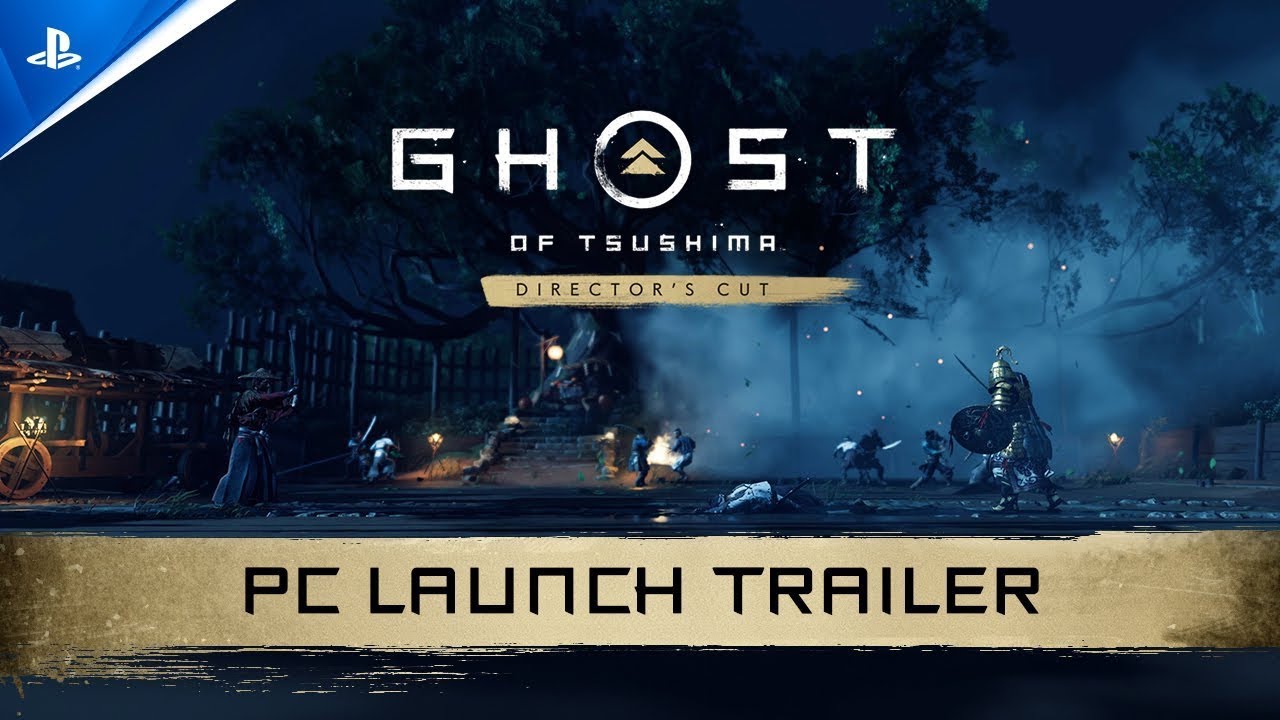
Ghost of Tsushima Director's Cut, from PlayStation's Australian channel.
The January 2026 PS4 change, and who it hits
There is a line on Sony's PS Plus games page that is easy to miss and matters a great deal to a specific group of subscribers: "From January 2026, PS4 games will be added only intermittently."
Read that carefully. It does not remove existing PS4 titles, and it does not affect games that run on both generations. What it does is end the reliable stream of new PS4-playable additions.
If you are still on a PS4 and were subscribing to Extra mainly for the flow of new catalogue games, the value of your subscription has quietly changed and will keep changing. That is the single strongest "do not renew, buy instead" signal in this whole comparison. On PS5 it barely registers.

Returnal is the shape of game subscriptions are good for: expensive to commit to blind, quick to know whether you like it. (Official Steam screenshot)
Where Extra genuinely wins
Three cases, and they are narrower than the marketing implies.
The first is breadth of taste. If you finish six or more catalogue games a year across genres, no amount of sale-hunting matches the subscription. That is not most people, but it is a real group.
The second is trying things you would never risk money on. Returnal is the archetype — a difficult, expensive, structurally unusual game that plenty of players bounce off in two hours and others sink eighty into. Finding out for free is worth something.
The third is households. If more than one person plays on the same console, the sum above gets recalculated with two or three sets of tastes, and Extra starts winning quickly.
Where buying wins
If you finish two or three games a year, buying is almost always cheaper — and you keep them. The pattern is the same one we found for Microsoft's service in our look at when Game Pass beats buying and when it does not, and the reasoning in our piece on whether to play or buy a single subscription headliner transfers directly.
It also wins if you replay things. Ghost of Tsushima Director's Cut, Days Gone and Ratchet & Clank: Rift Apart are all games people return to years later, and all of them are old enough now to be routinely cheap. A subscription rents you a game for a month; a sale sells it to you for a decade. Our guide to building a library on a small budget makes the same argument at length.

Days Gone has been through enough sales that owning it outright is not a big commitment. (Official Steam screenshot)
The PC question, if you own both
A large slice of what makes Extra tempting is Sony's own back catalogue, and a good deal of that back catalogue is buyable outright on PC — where it discounts more aggressively and more often than on PlayStation Store.
That is a genuine escape hatch, with one caveat we have written about at length: the list of PlayStation exclusives on PC has stopped growing for single-player games. What is ported is ported; what is not, largely will not be. Multiplayer is the exception, which is why Helldivers 2 sits on Steam.
So if you play on PC as well, the honest version of the sum is: subscribe to Extra for the console-only games you want, and buy the ported ones on PC when they are cheap. Before you pay full price for either, our explainer on what a historical low actually tells you is worth five minutes.

Horizon Forbidden West Complete Edition on PC, from developer Guerrilla's channel.
The bottom line
Subscribe to Extra if you finish four or more catalogue games a year, if you share a console, or if you like discovering things you would not have paid for. Under those conditions it is the best-value tier Sony sells, and Premium's streaming and trials are a luxury on top rather than the main event.
Do not subscribe if you play two or three games a year, if you replay favourites, or if you are still on a PS4 — that last one is now Sony's own stated direction, not speculation. Buy the three games you actually want, wait for them to be cheap, and keep them.
The sum takes five minutes and it is the same sum every year. Do it before the renewal date rather than after.