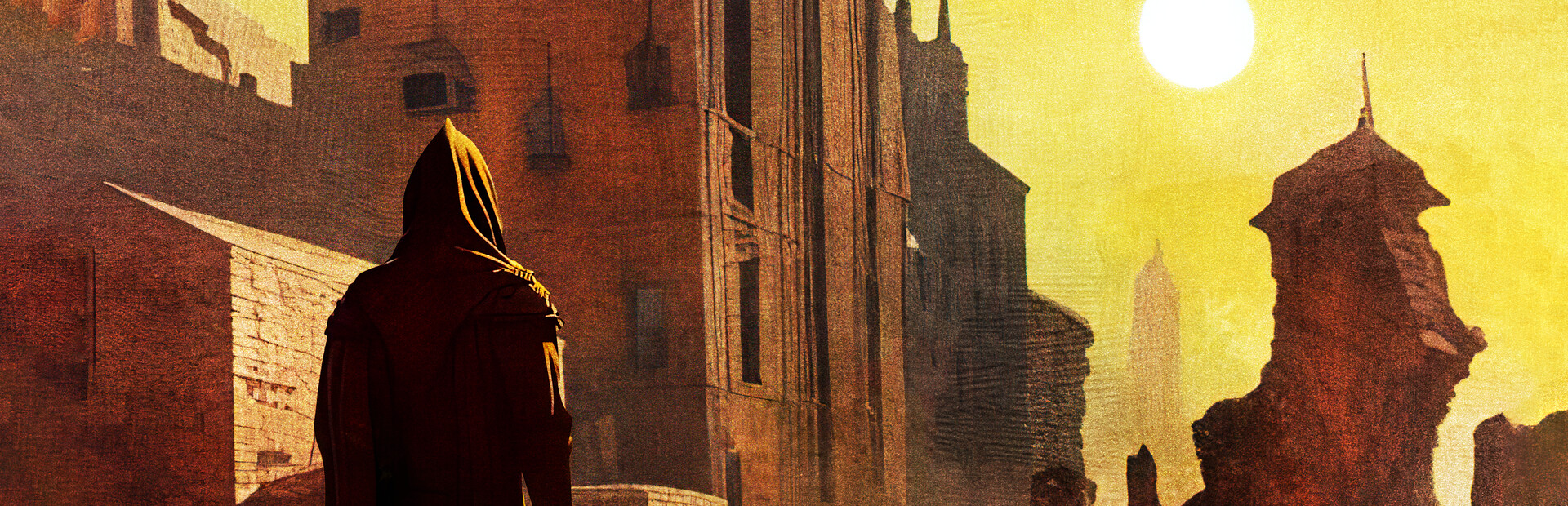

Greymarsh
Nimavoha Interactive · April 7, 2023 · Choose Your Own Adventure, Interactive Fiction, RPG, Text-Based, Multiple Endings
Buy Greymarsh from Steam at $7.99 — the cheapest of 1 store we compare.
 Buy at Steam
 Where to buy Greymarsh — official stores
Greymarsh price by region
Greymarsh costs £6.99 in the United Kingdom, $7.99 in the United States, €7.99 in Europe (EUR), $7.99 in Georgia (USD), CA$9.65 in Canada, A$11.50 in Australia, NZ$12.49 in New Zealand, R$29.99 in Brazil and zł34.49 in Poland right now.
| Region | Best price | Official store | Key shop | Stores |
|---|---|---|---|---|
 United Kingdom United Kingdom | £6.99 | £6.99 | — | 1 |
 United Statesyour region United Statesyour region | $7.99 | $7.99 | — | 1 |
 Europe (EUR) Europe (EUR) | €7.99 | €7.99 | — | 1 |
 Georgia (USD) Georgia (USD) | $7.99 | $7.99 | — | 1 |
 Canada Canada | CA$9.65 | CA$9.65 | — | 1 |
 Australia Australia | A$11.50 | A$11.50 | — | 1 |
 New Zealand New Zealand | NZ$12.49 | NZ$12.49 | — | 1 |
 Brazil Brazil | R$29.99 | R$29.99 | — | 1 |
 Poland Poland | zł34.49 | zł34.49 | — | 1 |
Each row is a real price from that region's own stores, not a currency conversion, so the figures are not directly comparable. Switch regions in the header to shop the one you buy in.
Screenshots
About Greymarsh
* You like to read, as opposed to just skimming the text
* You like your fantasy to be dark, mature and gritty rather than a funhouse of goblins, elves, knights and trolls
* You put large emphasis on story, coherent world building and atmosphere
* When you spend lots of time optimizing your stats or tinkering with your inventory, it feels like a necessary evil that you could do without
You should probably skip this game if your gaming persona is better described by this list:
* You value replayability and "finding all the endings"
* You like your game world to be expansive and sprawling
* You have an attention span not suited to long swaths of text
The main game loop is exceedingly simple, and purposely so: the player reads what happens, and then gets to choose from a small number of actions to progress the story. Most locations can be revisited and fast travel is available through a map.
There are just four stats parameters to consider: hit points, strength, armor and fighting prowess. That's it. In addition, the protagonist keeps an amount of gold and some items, including weapons.
The fighting system is turn-based, like everything else in the game. Despite the basic battle loop, there is room for tactics.
A started session is associated with just one save slot, meaning permadeath in theory. In practice, this is circumvented through an in-world mechanism that is akin to the bonfires of the Souls games.
Greymarsh was heavily inspired by the gamebooks that were so popular in the eighties. One of the most appealing features of this form of solo adventuring was the small scope: rarely did these books consist of more than 500 situations in which to choose from a small number of actions so as to further the story. The battle system and inventory management were rudimentary and designed to be mastered immediately. That way, the action could start right away.
The meticulous tinkering with inventory items and stats optimization so popular in games these days... there was rarely much of that.
And even though the interactivity was low with today's standards, the reader/player still had the illusion of agency, of having the power to affect the miniature world conjured up within the gamebook's pages.
Greymarsh strives to recreate that feeling.
Greymarsh — game info
- Platforms
- Windows
- Player modes
- Single-player
- PC Game Pass
- Not included
What Steam players say
Recent verbatim reviews from Steam — separate from playze.io community reviews below.
You speak to the innkeeper. You have died. You try to enter the city. You have died. You enter a shed. You have died. You speak to some children. You have died. The game seems just full of "gotcha" moments with little to no foreshadowing. Play Roadwarden instead. It's the better game.1 found this helpful
Scratched the IF itch!
Greymarsh is very much inspired by the gamebooks of yore, and as someone who grew up reading/playing a lot of those, I was cautiously optimistic. I'd say Greymarsh is closest to the famous Fighting Fantasy series, which is both a good thing and a bad thing. The good is that it has a certain nostalgic familiarity if you know those books, and presents a classic romp around a perilous city (in the vein of something like City of Thieves or Kharé: Cityport of Traps). The bad is that it eschews the elaborations on the FF formula introduced by other series like Lone Wolf, Way of the Tiger, or Cretan Chronicles. Even a number of the FF books themselves added further, more complex, mechanics (Black Vein Prophecy, how overlooked you are). Greymarsh is, mechanically, pretty basic. That doesn't make it not worth playing, though. It certainly makes it pretty accessible for someone who didn't grow up with dozens of those books. I mentioned that it follows the City of Thieves type of format, where you roam a city filled with hazards and treasures, and often no way to tell which is which without trying them out. Fortunately it's more forgiving than the infamously punishing gamebook classics. Fo…
I wanted to enjoy this game, but there is a lot of misleading language in the game. "Checkpoints" are actually save points; I had to repeat the fight on the road least 10 times because I failed to get in the city so many times and then when I was in the city, some children killed me. I figured moving into Chapter 2 would be a "checkpoint," but it wasn't. I am a big fan of text based adventures, but this was not fun to play or read. There were also several instances of inconsistencies in the writing. For example, the purple stone was said to be around our neck, but now its in our pocket, but now its in our hand, and now it is implied its back around our neck. Or basement and cellar being flip flopped in a scene. Much of the writing was bloated and needed heavy editing to be steamlined.
I think this is a fairly solid modern equivalent to gamebooks like Fighting Fantasy, it takes a bit more advantage of being digital compared to the FF adaptations that exist on Steam. Thing is, I can only recommend this game [i]if you are already into gamebooks[/i]. You need to be willing to read passages carefully, experiment, make notes/maps on everything you've found, and then restart the whole game taking advantage of this info. Mercifully, past a certain point the game starts feeling more like an adventure game rather than a gamebook, so inefficiency just means taking longer rather than needing to restart the whole game. My main critiques against the game would be the somewhat lacking variety in encounters (a good chunk of the game will be spent clearing two separate arenas), how objectives typically only had one true path to advance, and the highly limited save system. In exchange it pulls out a few things that would be impossible or unreasonable for paper gamebooks to do, like [spoiler] stealth sections with guards moving on fixed paths. It's nothing crazy for games but it's something that'd just be an infinite pain with pen & paper. [/spoiler]
This is a short but very good text based RPG. It is fairly linear but still entertaining. Considering how cheap it is, it is well worth to take a look at if you enjoy narrative driven games. Took me 5 hours to finish the whole game, it is entirely possible to do it faster if you roll well in fights and realize where you need to go next sooner.
Community reviews
0 reviews
Sign in to write a review.
No reviews yet. Be the first to review this game.
More like Greymarsh


News
 PC
PCX-Plane 12 price: which licence to buy, and when to buy
The X-Plane 12 price never moves on Steam while key resellers swing it by nearly three to one. Which licence you need, and what our record says about timing.
Oct 1, 2026 Deals
DealsSteam Daily Deals are ending, and what replaces them
Valve has paused scheduling Steam Daily Deals and will retire the curated calendar in early 2027. What the change means for anyone who waits for a discount.
Oct 1, 2026 Xbox
XboxMinecraft Dungeons 2 Deluxe Edition: skip it, play on Game Pass
The Minecraft Dungeons 2 Deluxe Edition asks you to pre-order two unannounced DLC packs for a game Game Pass already gives you. What it contains, and why the upgrade can wait.
Sep 30, 2026PCIs DayZ worth it? A straight answer before you buy
Is DayZ worth it? Twelve years on it is still the genre's least forgiving game. What you are buying, who it suits, and what our 97-day price record says about the timing.
Sep 30, 2026 PC
PCTransport Fever 3 price: which edition to buy on launch day
Transport Fever 3 is out today. The Transport Fever 3 price splits three ways, the loyalty discount has a fortnight-long fuse, and our record shows what the older game really costs.
Sep 29, 2026 PC
PCNo Man's Sky price: how low it gets and when to buy
The No Man's Sky price has come a long way down since 2016, and the game is on PC Game Pass too. Our tracked 12-month low, the regional key gap, and what to actually pay.
Sep 29, 2026 Deals
DealsSekiro cheap: what our price record shows, and what to avoid
Search Sekiro cheap and the results are keyshop listings, not a store discount. Our three-month price record explains the gap, and why so few live offers changes the advice.
Sep 28, 2026 Freebies
System Shock 2 Remaster free on Epic from 1 October
System Shock 2 Remaster free on Epic from 1 to 8 October, alongside BURIED STARS. Our price record shows why its floor has not moved in three months, and why waiting beats buying this week.
Sep 28, 2026 PC
PCTekken 8 ღირს თუ არა: 91 ქულა და შერეული შეფასება
Tekken 8 ღირს თუ არა, როცა კრიტიკოსებს 91 ქულა აქვთ დაწერილი, მოთამაშეებს კი „შერეული"? ფასი, ონლაინის მდგომარეობა და უკეთესი ალტერნატივა.
Sep 24, 2026 Deals
DealsStellaris იაფად: ოცდახუთი დამატება და ერთი გამოსავალი
Stellaris იაფად ყიდვა საბაზისო თამაშის შემთხვევაში მარტივია. ძვირი დამატებებია — და მათთვის არსებობს ვარიანტი, რომელსაც ბევრი ვერ ამჩნევს.
Sep 24, 2026 PC
PCARK ფასი: Evolved თუ Ascended — რომელი ვიყიდოთ
ARK ფასი ორი სხვადასხვა თამაშის ფასია. რომელი ჯობია ქართული სიიდან, სად არიან მოთამაშეები და რატომ არ ღირს ახალ ვერსიაზე გადახტომა.
Sep 24, 2026 Deals
DealsCivilization 6 იაფად: რომელი დამატება ღირს მართლა
Civilization 6 იაფად ყიდვა მარტივია — საბაზისო თამაში იაფია და იაფად რჩება. რთული ის არის, რომ ცხრამეტი დამატებიდან სწორი აირჩიოთ.
Sep 24, 2026 Freebies
CS2 უფასოდ: რა ღირს სინამდვილეში Prime
CS2 უფასოდ ითამაშება საქართველოდანაც და ეს დემო არაა. ფული მხოლოდ Prime-ს სჭირდება — აი, რას იძლევა ის და ვის ღირს.
Sep 24, 2026 PC
PCCuphead ღირს თუ არა: სირთულე, DLC და ორზე თამაში
Cuphead ღირს თუ არა: ექვსივე ქართულ მაღაზიაში ერთი ფასია, მეგობარს კი ასლი საერთოდ არ სჭირდება. სირთულე, ერთადერთი დამატება და როდის ვიყიდოთ.
Sep 23, 2026 Deals
DealsRimWorld იაფად: ბაზა, ხუთი დამატება და სწორი რიგი
RimWorld იაფად ყიდვა დამატებების რიგზეა დამოკიდებული, არა ფასდაკლების ლოდინზე. რომელი ხუთიდან ღირს ჯერ და რომელ მაღაზიას აქვს ფასდაკლება.
Sep 23, 2026 PC
PCPhasmophobia ფასი: ოთხი ასლი და ერთი მაღაზია
Phasmophobia ფასი ქართულ სიაში მხოლოდ ერთ მაღაზიაში ჩანს, თამაში კი ოთხზეა გათვლილი. რატომ ღირს ფასდაკლების დალოდება და რა გჭირდებათ დასაწყებად.
Sep 23, 2026Top games right now
All rankings →- 1Counter-Strike 2Free
- 2Dota 2Free
- 3PUBG: BATTLEGROUNDSFree
- 4Grand Theft Auto V Legacy—
- 5Terraria$2.20
- 6Rust$25.71
- 7Team Fortress 2Free
- 8Black Myth: Wukong$35.81
- 9HELLDIVERS™ 2$30.92
- 10ELDEN RING$52.89
- 11Apex Legends™Free
- 12Left 4 Dead 2$9.99
- 13Stardew Valley$14.99
- 14Wallpaper Engine$3.99
- 15Euro Truck Simulator 2$4.99
- 16Dead by Daylight$7.20
- 17Red Dead Redemption 2$12.72
- 18Baldur's Gate 3$41.99
- 19Phasmophobia$18.24
- 20War ThunderFree
- 21Call of Duty®—
- 22ARK: Survival Evolved$14.20
- 23Among Us$3.03
- 24The Forest$19.82