
Ports Of Call Deluxe 3D 2024
Dipl. Ing. Rolf-Dieter Klein · May 11, 2024 · Simulation, Economy, Strategy, Automobile Sim, Transportation
Buy Ports Of Call Deluxe 3D 2024 from Driffle INC at $8.78 — the cheapest of 2 stores we compare.
Where to buy Ports Of Call Deluxe 3D 2024 — official stores

Cheapest Ports Of Call Deluxe 3D 2024 keys — keyshops
Keyshops are third-party marketplaces — keys are resold and can be region-locked or a different edition. Check the listing's region & edition before buying.
Some store links are affiliate links — playze may earn a commission at no extra cost to you. It never changes the price you pay, and the cheapest confirmed price is always shown in the Best price box above.
Ports Of Call Deluxe 3D 2024 price by region
Ports Of Call Deluxe 3D 2024 costs £6.63 in the United Kingdom, €7.84 in Europe (EUR), $8.49 in Georgia (USD), $8.78 in the United States, CA$19.49 in Canada, A$21.95 in Australia, NZ$21.99 in New Zealand, zł34.28 in Poland and R$44.26 in Brazil right now.
| Region | Best price | Official store | Key shop | Stores |
|---|---|---|---|---|
 United Kingdom United Kingdom | £6.63 −48% | £12.79 | £6.63 | 2 |
 Europe (EUR) Europe (EUR) | €7.84 −47% | €14.79 | €7.84 | 2 |
 Georgia (USD) Georgia (USD) | $8.49 | $8.49 | $8.78 | 2 |
 United Statesyour region United Statesyour region | $8.78 −41% | $14.99 | $8.78 | 2 |
 Canada Canada | CA$19.49 | CA$19.49 | — | 1 |
 Australia Australia | A$21.95 | A$21.95 | — | 1 |
 New Zealand New Zealand | NZ$21.99 | NZ$21.99 | — | 1 |
 Poland Poland | zł34.28 −50% | zł67.99 | zł34.28 | 2 |
 Brazil Brazil | R$44.26 −6% | R$46.99 | R$44.26 | 2 |
Each row is a real price from that region's own stores, not a currency conversion, so the figures are not directly comparable. Switch regions in the header to shop the one you buy in.
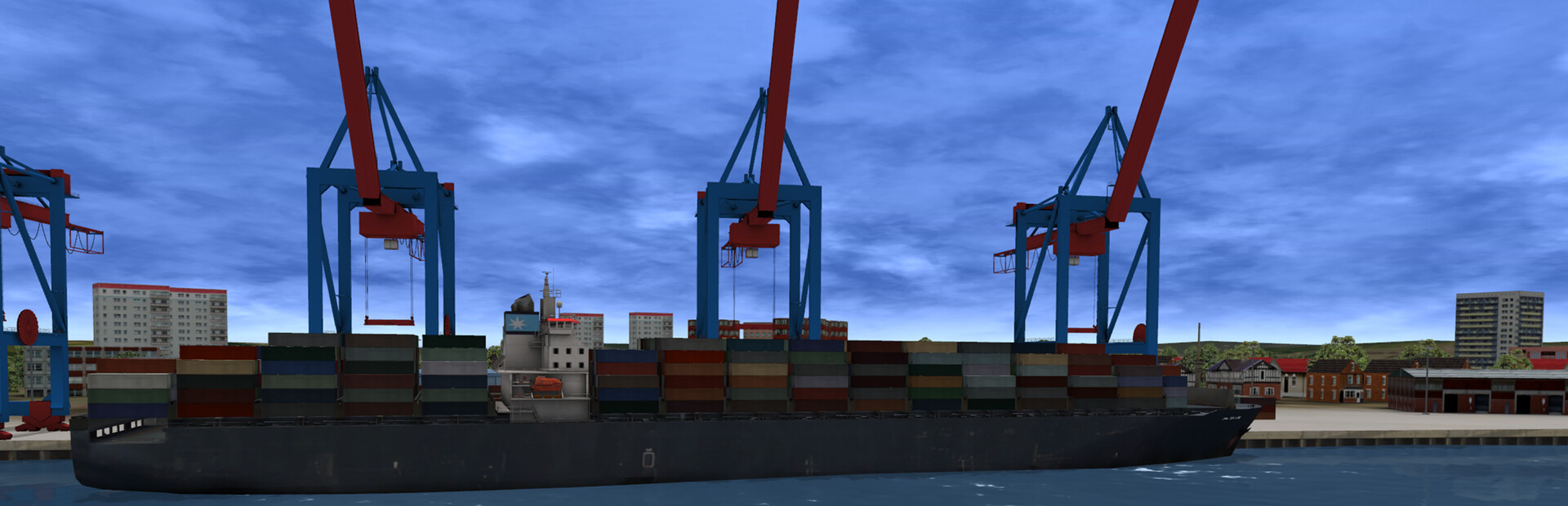
Screenshots
About Ports Of Call Deluxe 3D 2024
The goal is to trade freight and transport them using ships.
A Background on Tramp Shipping
The traffic of goods by sea is organized in accordance with international agreements and contracts between individual countries. About 80% of the goods (called "cargo volume") transported between two countries is handled by ships registered under the flags of the countries concerned. The remaining 20% are open to the free competition of ships under other flags. These ships, called "tramp" ships, are usually prepared to transport all kinds of goods. This aspect of the shipping business is the focus of Ports of Call.
Whether a tramp ship owner makes a profit depends upon: on the one hand, the laws, regulations and subsidies of his country, and on the other, the rules of supply and demand. If, for example, there has been a good coffee harvest, coffee prices will drop, and since there is a lot of coffee to be shipped, the freight charges will rise. Now, if a lot of owners start to compete for the business, the freight capacity will start to increase, with a consequent drop in freight rates. If the coffee harvest was bad, the freight rates will drop even though the coffee price has risen, because the shipping capacity is now in excess.
If the business is exceptionally poor, it may be necessary for the ship owner to temporarily lay his ships up. In this situation, the ships cannot be sold profitably because the ships' prices have dropped (supply and demand). Also it is not economically viable to operate the ships because the income nowhere covers the overhead fixed costs, such as maintenance and finance, still have to be earned. This is now the time to buy good, used ships at a low price. Apart from the economic aspects, life aboard a tramp ship can be pretty exciting and that's no "old sailor's yarn"!
The Object of the Game
Each player founds his own shipping company, with a starting capital of $1 .. $4 million to buy ships. Freight and ports of call can be chosen continuously from offers on the market. Then the captain chooses an economic travelling speed and casts off to encounter many adventures on the high seas.
After unloading his cargo, the captain is credited with the agreed payment. Then he may refuel, make necessary repairs, and so on. The next job is to find a new, lucrative cargo, buy further ships, and/or repay his mortgages; in other words, he must have a more productive company than his competitors.
The strategy of the game is flexible. A rogue will try to make a quick buck by using cheap ships and juggling the freight rates to force his competitors into bankruptcy. The careful player, in contrast, will build a solid financial foundation. The superior speed of his high-tech fleet will enable him to snap up the more lucrative contracts.
Any strategy is deemed to fail if you don't have a good captain to bring your ship across the world's stormy seas. The formulas for ship movement have been calculated so that ships respond to changes in speed and movements of the rudder as in the real world. It is recommended that the beginner does not start with ships that are too large. These are slow to respond and, as such, require a more experienced captain.
The ship's movement at sea is accelerated. The captain, however, must select the correct speed. Fuel consumption depends on the time at sea and the weather conditions. Determination of the economic travelling speed depends on fuel prices and freight rates. Hence, you can see that a captain's decisions also have an influence on the success of the company.
The credit rating of an enterprise is very dependent on its social status. The more ports served by a line, the higher the status. And an owner who is operating modern, expensive ships has a naturally better standing than the owner of a rusty, floating wreck. The captain's conduct also affects a company's credit.
A player's chances of success improve the more he knows about international shipping. All data for the game originated from actual developments in the maritime world: the fluctuation of freight rates, refuelling costs, port charges, and ship operating costs. The ship operating costs include amounts payable for tax, management, crew expenses, safety precautions, and other costs these vary significantly from country to country. These general costs are calculated for each individual ship and are reduced in accordance with the subsidies, tax reductions, etc., that are valid in the country of registration. The accounts are then automatically debited periodically, without on screen display to the owner.
Ship prices are the same for all ship owners. However, in reality, ship building is subsidized differently in each country; therefore, a compensatory figure is included in the basic costs.
In summary, Ports of Call has been developed with this motto in mind: "Software with Hard Facts."
Ports Of Call Deluxe 3D 2024 — game info
- Platforms
- Windows
- Player modes
- Single-player, Online PvP, Split screen
- PC Game Pass
- Not included
What Steam players say
Recent verbatim reviews from Steam — separate from playze.io community reviews below.
I really like this game. It was nice to see the new version. I would really like a more interesting economy and more ships of different types and many many new ports. In my youth I played a similar board game, after which I firmly decided to become a sailor. After graduating from the maritime college, I worked for some time as a third mate on merchant ships. As a result of an accident I partially lost my sight. This is my sad story. Having accidentally come across this game and started playing it, I felt as if I found myself in that distant past when I worked as a navigator. Thanks to the creators of the game for the opportunity to feel like you are on the bridge of a ship again.2 found this helpful
I love this game. it could do with some more ships for sale in the career mode.1 found this helpful
REALLY???? "if the controller is found, it only operates via gamepad control.", so it locks out keyboard control... So I HAVE to crawl around behind my computer to unplug my joysticks and steering wheel every time I wanna play this???? I was SO looking forward to this, as I played it back when I had my beloved Amiga 4000 Tower... But this is sad...1 found this helpful
brilliant graphics and hours of fun sailing the world to some difficult ports , storms, ice bergs , shoals and reefs1 found this helpful
Started the game about 5 times. Games goes "Not responding" at random times when you buy a new ship. Saving the game before buying a new ship does not resole the issue as even if you reload from a save it will not respond when you go to buy a new ship. An unplayable wretch of what used to be a great game from my childhood,1 found this helpful
I like this updated version of the game I used to play on the Amiga. A few more details and interactions in this version that enhance the gameplay
Community reviews
0 reviews
Sign in to write a review.
No reviews yet. Be the first to review this game.
More like Ports Of Call Deluxe 3D 2024


News
 PC
PCFinal Fantasy XI price: what you pay, then keep paying
The Final Fantasy XI price is two numbers, and the subscription is the one that matters. Our tracked low, what the Ultimate Collection includes, and when buying at list is correct.
Oct 16, 2026 PC
PCCastlevania Belmont's Curse price: which edition to buy
The Castlevania Belmont's Curse price splits in two: Steam charges full list, authorised resellers a quarter less. Our record says that 25% has not moved since June, and is the floor.
Oct 16, 2026 Deals
DealsHogwarts Legacy price history: where the floor really is
Our Hogwarts Legacy price history runs to 100 daily readings and a $3.99 median. Why the sub-dollar figure in search results is noise, and what to actually pay.
Oct 15, 2026 PC
PCEnshrouded price after 1.0: what it costs now
Enshrouded hit 1.0 today, but the Enshrouded price rose on 8 September and the key resellers have not followed. What our nine tracked sellers show, and whether to buy now.
Oct 15, 2026 PC
PCStarfield price history: the sub-$20 window, and who set it
Our Starfield price history shows one reseller set the all-time low over five weeks in late summer 2026. What a good price looks like now, and why Game Pass comes first.
Oct 14, 2026 PC
PCBoltgun 2 price: buy the sequel, or the cheap first game?
The Boltgun 2 price has no cheaper route on launch day — our record shows one listing, unmoved since September. The first game is the bargain, but a smaller one than it was.
Oct 14, 2026 PC
PCRust price: why the cheap keys vanished, and when to buy
The Rust price has two answers: an official one that barely moves, and a reseller one that sat in single digits for 95 days and then disappeared. Our record shows both.
Oct 13, 2026 PC
PCPlanet Zoo 2 price: which edition, and when it gets cheaper
Planet Zoo 2 is out today. The Planet Zoo 2 price splits two ways, the cheap pre-order keys stopped existing three weeks ago, and the original got dearer as the sequel landed.
Oct 13, 2026 PC
PCTekken 8 ღირს თუ არა: 91 ქულა და შერეული შეფასება
Tekken 8 ღირს თუ არა, როცა კრიტიკოსებს 91 ქულა აქვთ დაწერილი, მოთამაშეებს კი „შერეული"? ფასი, ონლაინის მდგომარეობა და უკეთესი ალტერნატივა.
Sep 24, 2026 Deals
DealsStellaris იაფად: ოცდახუთი დამატება და ერთი გამოსავალი
Stellaris იაფად ყიდვა საბაზისო თამაშის შემთხვევაში მარტივია. ძვირი დამატებებია — და მათთვის არსებობს ვარიანტი, რომელსაც ბევრი ვერ ამჩნევს.
Sep 24, 2026 PC
PCARK ფასი: Evolved თუ Ascended — რომელი ვიყიდოთ
ARK ფასი ორი სხვადასხვა თამაშის ფასია. რომელი ჯობია ქართული სიიდან, სად არიან მოთამაშეები და რატომ არ ღირს ახალ ვერსიაზე გადახტომა.
Sep 24, 2026 Deals
DealsCivilization 6 იაფად: რომელი დამატება ღირს მართლა
Civilization 6 იაფად ყიდვა მარტივია — საბაზისო თამაში იაფია და იაფად რჩება. რთული ის არის, რომ ცხრამეტი დამატებიდან სწორი აირჩიოთ.
Sep 24, 2026 Freebies
CS2 უფასოდ: რა ღირს სინამდვილეში Prime
CS2 უფასოდ ითამაშება საქართველოდანაც და ეს დემო არაა. ფული მხოლოდ Prime-ს სჭირდება — აი, რას იძლევა ის და ვის ღირს.
Sep 24, 2026 PC
PCCuphead ღირს თუ არა: სირთულე, DLC და ორზე თამაში
Cuphead ღირს თუ არა: ექვსივე ქართულ მაღაზიაში ერთი ფასია, მეგობარს კი ასლი საერთოდ არ სჭირდება. სირთულე, ერთადერთი დამატება და როდის ვიყიდოთ.
Sep 23, 2026 Deals
DealsRimWorld იაფად: ბაზა, ხუთი დამატება და სწორი რიგი
RimWorld იაფად ყიდვა დამატებების რიგზეა დამოკიდებული, არა ფასდაკლების ლოდინზე. რომელი ხუთიდან ღირს ჯერ და რომელ მაღაზიას აქვს ფასდაკლება.
Sep 23, 2026 PC
PCPhasmophobia ფასი: ოთხი ასლი და ერთი მაღაზია
Phasmophobia ფასი ქართულ სიაში მხოლოდ ერთ მაღაზიაში ჩანს, თამაში კი ოთხზეა გათვლილი. რატომ ღირს ფასდაკლების დალოდება და რა გჭირდებათ დასაწყებად.
Sep 23, 2026Top games right now
All rankings →- 1Counter-Strike 2Free
- 2Dota 2Free
- 3PUBG: BATTLEGROUNDSFree
- 4Grand Theft Auto V Legacy—
- 5Terraria$2.16
- 6Rust$25.81
- 7Team Fortress 2Free
- 8Black Myth: Wukong$36.47
- 9HELLDIVERS™ 2$25.04
- 10ELDEN RING$49.41
- 11Apex Legends™Free
- 12Left 4 Dead 2$9.99
- 13Stardew Valley$13.81
- 14Wallpaper Engine$3.99
- 15Euro Truck Simulator 2$10.20
- 16Dead by Daylight$6.83
- 17Red Dead Redemption 2$11.11
- 18Baldur's Gate 3$57.73
- 19Phasmophobia$17.27
- 20War ThunderFree
- 21Call of Duty®—
- 22ARK: Survival Evolved$13.45
- 23Among Us$2.99
- 24The Forest$19.70