Stardew Valley cheap: three routes, and one that is free
Davit Darchiashvili · Sep 22, 2026
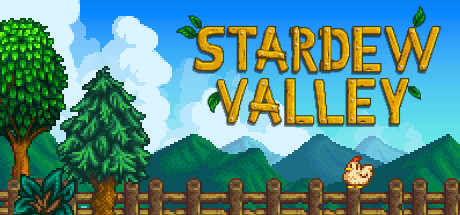
Open our price page for Stardew Valley and something odd jumps out. Steam, GOG and the Microsoft Store all list it at exactly the same figure, and none of them is discounting it. That is unusual for a ten-year-old indie, and it is why finding Stardew Valley cheap is a different problem from finding most games cheap. You are not waiting for a sale that reliably comes. You are choosing between three routes, one of which most people forget they already own.
Stardew Valley cheap: why the official price barely moves
ConcernedApe released Stardew Valley in February 2016 and has both developed and published it ever since — there is no publisher running a discount calendar over the top of it. What our index shows today is three official sellers sitting at an identical price with no cut applied, while the game still draws tens of thousands of concurrent players and carries an Overwhelmingly Positive rating from more than a million Steam reviews.
Our own tracking sums the behaviour up as a game that holds a steady low price most of the time and rarely climbs higher. That is the opposite of the usual pattern, where a high list price is theatre and the real price is whatever the last sale was. Here the list price is the price, and it has been for a long time.
The practical consequence: waiting is a weak strategy for this one game. Check the live numbers on the Stardew Valley game page before you do anything, but do not assume a big seasonal discount is coming the way it would for a comparable title.

Ten years on, the farm still pulls tens of thousands of concurrent players — part of why the price has never needed to fall. (Official Steam screenshot)
Route one: you may already have it
Our index currently flags Stardew Valley as being in the Game Pass catalogue. If you subscribe for anything else — and a great many people do — the cheapest copy of this game is the one you are already paying for. Install it tonight and spend nothing.
Two caveats, both real. Catalogue membership changes, so confirm it on the game page rather than taking this paragraph's word for it in six months. And a catalogue copy is a rental: if you stop subscribing, the farm stops being playable. For a game people return to for years, that matters more than it does for a weekend shooter. Our piece on subscription catalogues versus buying works through that maths in general terms.
Route two: keyshops, where it genuinely gets cheap
This is where the saving actually lives. Alongside the three official sellers, our index carries several key resellers, and their listings sit far below the official line — not by a few percent, but by a margin that makes the two look like different games. That gap is the whole answer to the question.
It is also the part that needs care. A keyshop is a marketplace, not a shop: individual sellers list keys, and the platform takes a cut. The risks are the ones we have documented before — a key that was bought in a cheaper region and will not activate in yours, a seller with no history, or an optional "buyer protection" fee that quietly erases the saving at checkout.
Read our guide to buying keys without getting burned before your first purchase, and what to check about region locks if the price looks too good. We also ran the numbers across a hundred-odd popular games in our keyshop versus official store study; Stardew Valley is a strong example of the pattern it found rather than an exception to it.

The mines are the part that surprises people who came for the farming. (Official Steam screenshot)
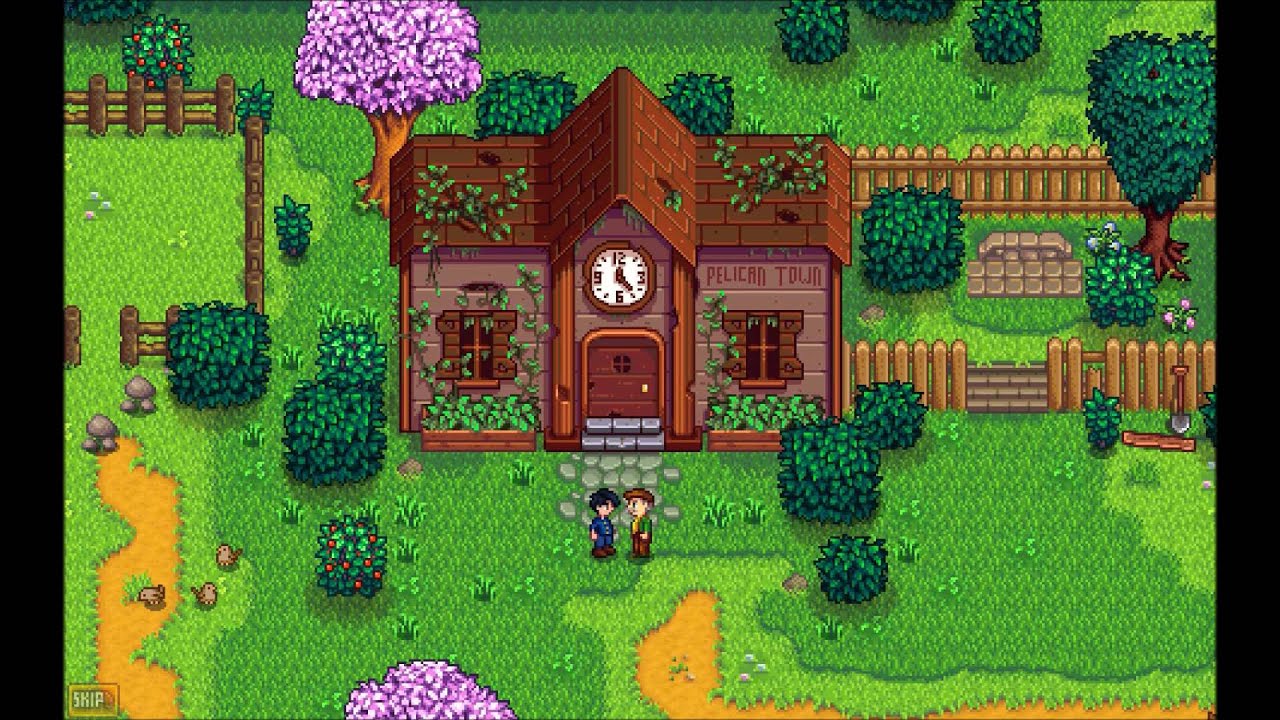
The original trailer, uploaded by ConcernedApe — the developer's own channel.
Route three: pay the official price anyway
There is a respectable case for this, and it is not sentimentality. You get a purchase that cannot be clawed back, support that works, and no activation anxiety. Against a price that is already modest for a game most buyers will put a hundred hours into, the premium over a keyshop is small in absolute terms even though it looks enormous as a ratio.
Buying on GOG has one extra argument in its favour: the copy is DRM-free, so it is yours in a way a Steam key is not. The price matches Steam's, so the choice costs you nothing.
The edition question, which does not exist here
Most of our buying guides spend a section untangling Standard versus Deluxe versus Ultimate. Stardew Valley has none of that. There is one version, there is no season pass, there is no paid DLC, and every major update since 2016 — multiplayer among them — arrived free to existing owners. Whatever you pay, you are buying the whole game.
That is worth weighing against the alternatives. A cheaper sticker price elsewhere in the genre often comes attached to a DLC list that doubles the real cost.

Festivals, marriage and the full multiplayer mode all arrived in free updates after launch. (Official Steam screenshot)
If you just want cheap farming, look sideways
Stardew Valley is the one game in its genre that refuses to discount officially. Everything around it does, heavily. My Time at Portia and its sequel My Time at Sandrock both cut deep at official stores and both review well. Core Keeper takes the formula underground and discounts on a normal schedule. Dinkum and Coral Island are the Australian-outback and tropical takes respectively.
None of them replaces Stardew Valley — it is better than all of them, which is precisely why it never needs to go on sale — but if the goal is "a farming sim for very little money", the genre is generous and the market leader is not. Our longer list of games like Stardew Valley goes through what each one does differently.

Fishing divides players more than any other system in the game. (Official Steam screenshot)

The 1.1 update trailer, also from ConcernedApe — one of several major updates that shipped free to owners.
The bottom line
Check Game Pass first; if you already subscribe, stop reading and install it. If you do not, and you are comfortable with a marketplace purchase, a keyshop key is where the real saving is — read our safety guide, buy from a seller with a record, and ignore the optional protection fee. If you would rather not think about any of that, pay the official price at GOG for the DRM-free copy; it is the same figure as Steam's and it is not a lot of money for a game you will still be playing in five years. What you should not do is wait for a sale. On this one, it may not come.